Introduction
Have you ever wondered how businesses efficiently manage their suppliers, ensure seamless procurement, and mitigate supply chain risks? In today's highly competitive market, companies rely on Supplier Relationship Management (SRM) software to streamline interactions with vendors, improve collaboration, and optimize procurement strategies.
SRM software acts as a centralized platform that automates key processes such as supplier onboarding, performance tracking, contract management, and compliance monitoring. By leveraging SRM solutions, businesses can reduce costs, enhance supplier performance, and make data-driven decisions to strengthen their supply chains.
When it comes to top IT software companies in India, several firms specialize in developing robust SRM solutions. Leading companies such as True Value Infosoft, TCS, Infosys, Wipro, HCL Technologies, and Tech Mahindra offer cutting-edge procurement and supplier management software with cloud and ERP integration.
What is Supplier Relationship Management (SRM) Software?
Supplier Relationship Management (SRM) software is a digital solution designed to help organizations manage and optimize their relationships with suppliers. It enables businesses to track supplier performance, automate procurement workflows, ensure compliance, and enhance communication between all stakeholders.
SRM software serves as a centralized platform that integrates procurement, contract management, risk assessment, and performance tracking — ensuring businesses maximize value from their supplier relationships while minimizing risks.
Benefits of SRM Software
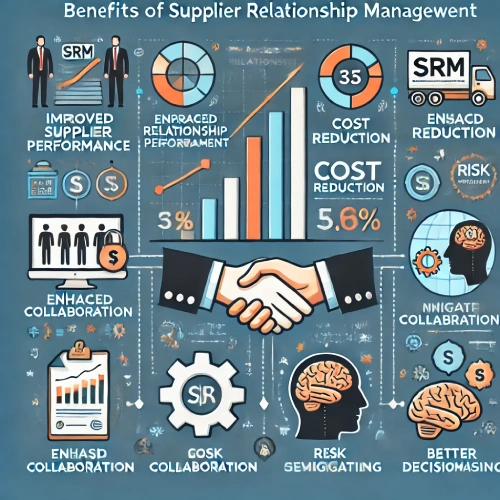
Implementing SRM software provides numerous advantages to businesses:
Improved Supplier Performance
Track KPIs to monitor supplier compliance, quality standards, and delivery timelines — identifying underperformers for targeted improvement.
Cost Reduction
Better visibility into procurement costs enables smarter contract negotiations, reduced wastage, and significant operational savings.
Enhanced Collaboration
Seamless communication between buyers and suppliers reduces misunderstandings, improves coordination, and fosters long-term partnerships.
Risk Mitigation
Proactively identify and mitigate risks such as supply chain disruptions, financial instability, or regulatory non-compliance through supplier data analysis.
Increased Operational Efficiency
Automating procurement workflows reduces manual effort, streamlines approvals, and enhances overall operational efficiency across teams.
Better Decision-Making
Advanced analytics and reporting tools provide actionable insights into supplier performance, market trends, and procurement strategies.
Key Features of SRM Software
When selecting SRM software, businesses should look for these essential features that streamline supplier management:
01 Supplier Onboarding & Database
Centralized supplier repository with digital onboarding workflows, approval processes, document storage, and compliance tracking.
02 Procurement & Sourcing
Automated purchase requests and approvals, vendor selection, bidding processes, negotiations, and contract management tools.
03 Performance & Risk Management
KPI tracking, reporting dashboards, risk assessment tools, and automated alerts for contract expirations, quality issues, and compliance violations.
04 Communication & Collaboration
Messaging platforms for real-time interactions, task assignments, workflow automation, and shared dashboards for suppliers and internal teams.
05 Compliance & Audit Management
Regulatory compliance tracking, audit trails, historical data storage, and supplier certification and documentation management.
06 ERP & System Integration
Seamless integration with ERP software, compatibility with procurement and accounting tools, and API access for data synchronization.
Steps to Implement SRM Software
Successfully implementing SRM software requires careful planning and execution:
Define Business Objectives
Identify specific business goals such as cost reduction, improved compliance, or enhanced supplier collaboration before selecting software.
Select the Right SRM Software
Choose a solution that aligns with your business needs, integrates with existing systems, and offers scalability for future growth.
Get Stakeholder Buy-in
Ensure procurement teams, IT departments, and key decision-makers support the implementation process from the start.
Migrate Supplier Data
Transfer existing supplier information to the new platform, ensuring data accuracy and completeness throughout the migration.
Train Users & Suppliers
Provide comprehensive training for internal teams and suppliers to maximize adoption, usability, and return on investment.
Monitor & Optimize
Regularly assess system performance, gather feedback, and make necessary improvements to continuously optimize supplier relationships.
Challenges in SRM Implementation
Despite its benefits, implementing SRM software comes with real-world challenges:
Resistance to Change
Employees and suppliers may resist adopting new systems. Proper training and change management strategies help address this effectively.
Data Accuracy & Integration
Ensuring data consistency across multiple systems is complex. Integrating SRM with existing ERP solutions helps maintain accuracy.
Compliance & Security
Managing supplier compliance across regions and industries requires robust security protocols and regulatory adherence at every level.
High Initial Costs
While SRM reduces long-term costs, the initial investment may be substantial. Evaluate ROI carefully before committing to implementation.
Future Trends in SRM Software
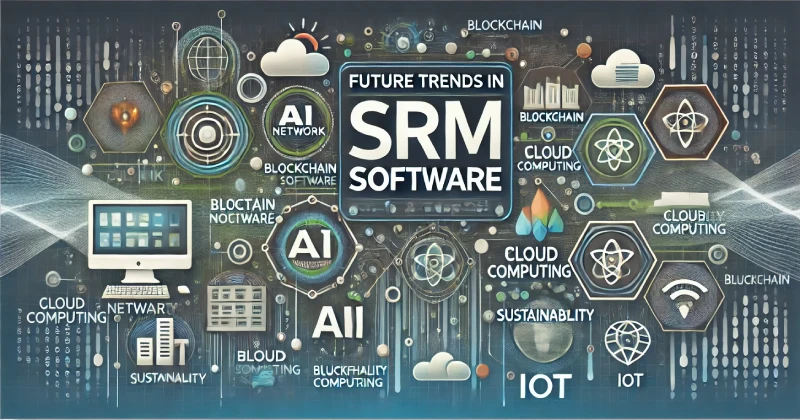
The SRM landscape continues to evolve with emerging technologies shaping the future of supplier management:
01 AI & Machine Learning
AI-powered SRM solutions analyze supplier data to predict risks, optimize sourcing decisions, and improve overall procurement strategy.
02 Blockchain for Transparency
Blockchain technology enhances supply chain transparency, reducing fraud and ensuring authenticity in all supplier transactions and records.
03 Cloud-Based SRM Solutions
Cloud-based platforms offer greater flexibility, scalability, and remote accessibility — making them the preferred choice for modern businesses.
04 Sustainability & ESG Compliance
Businesses prioritize Environmental, Social, and Governance (ESG) factors, pushing SRM software to include dedicated sustainability tracking features.
05 IoT Integration
IoT-enabled supply chain monitoring improves real-time tracking of supplier performance, logistics, quality control, and compliance metrics.
Looking for a Custom SRM Solution?
True Value Infosoft builds scalable, cloud-based supplier management software tailored to your procurement needs.
Get Started TodayConclusion
Build Stronger Supplier Relationships with the Right Software
Supplier Relationship Management software is an essential tool for modern businesses looking to optimize procurement, enhance collaboration, and mitigate risks. By leveraging SRM software, organizations can improve supplier performance, reduce costs, and drive operational efficiency.
As technology continues to advance, businesses that invest in intelligent, data-driven SRM solutions will gain a competitive edge in the global market. Implementing the right SRM software requires careful planning, stakeholder engagement, and ongoing optimization.
Talk to Our ExpertsFrequently Asked Questions
SRM software is a digital tool that helps businesses manage their interactions with suppliers. It streamlines procurement, supplier performance tracking, risk management, compliance, and collaboration to enhance overall efficiency and cost-effectiveness.
Some major benefits include improved supplier performance, cost reduction, enhanced collaboration, risk mitigation, operational efficiency, and better decision-making through data-driven insights.
Essential features to consider include supplier onboarding and database management, procurement and sourcing automation, performance and risk management, communication tools, compliance tracking, and ERP integration.
Successful implementation involves defining business goals, selecting the right software, gaining stakeholder buy-in, migrating supplier data accurately, providing proper training, and continuously optimizing the system based on feedback.
Emerging trends include AI and machine learning for predictive analytics, blockchain for transparency, cloud-based solutions for scalability, ESG compliance tracking, and IoT integration for real-time supply chain monitoring.